


The Surprising Benefits of Healthy Hydration
The Surprising Benefits of Healthy Hydration
Everyone knows drinking water is good for you. That's the boring headline. The interesting story is what steady, well-timed hydration does behind the scenes, in places you'd never think to look. Skin, mood, digestion, joints, workouts, even how tired you feel at 3 pm. A lot of it moves when your water intake does.
Here's a tour of the less obvious benefits, why they happen, and how to build a hydration habit that runs on its own.
It sharpens focus and mood, not just alertness
Mild dehydration, meaning a fluid loss of only 1 to 2 percent of body weight, is enough to noticeably impair short-term memory, attention, and mood in adults. Studies from the Journal of Nutrition and elsewhere have shown that even before you feel thirsty, cognitive performance and self-reported energy start to slip. The catch is that thirst is a late signal. If you wait to feel it, you've been running under-hydrated for a while.
The practical takeaway: keeping a filled bottle in your line of sight is the single easiest cognitive upgrade in your day. A 20 oz filter bottle on your desk, refilled once mid-morning and once mid-afternoon, covers the window where focus tends to sag.
It helps your skin look better than any serum
Skin is around 60 percent water. When you're well hydrated, the outer layer holds moisture more evenly, which softens fine lines, reduces the puffiness that comes from fluid imbalance, and gives skin a more even tone. Dermatologists point out that water isn't a cure for skin conditions, but chronic under-hydration makes almost every skin issue look worse.
The effect is subtle, not dramatic. You won't wake up transformed. You will, after a couple of weeks of drinking consistently, notice your skin looks less tired in photos.
It supports digestion without you thinking about it
Water keeps the digestive tract moving. It helps break down food, absorb nutrients, and, plainly, keep things regular. Fiber does its job much better in a hydrated system, since fiber pulls water into the gut to form soft, easy-to-move stool. Add fiber without water and you get the opposite of what you were going for.
If you've been adding chia, oats, or beans to your diet and things feel sluggish, the fix is often a glass of water, not another supplement.
It cushions your joints
Cartilage, the smooth tissue that caps the ends of your bones, is around 80 percent water. Staying hydrated helps cartilage stay pliable and shock-absorbing, which matters more the older you get and the more you sit. This isn't a claim that water cures joint pain. It's the smaller, truer claim that dehydrated cartilage does its job worse, and that runners, cyclists, and desk-workers all benefit from steady intake.
It changes how you perceive hunger
The brain's thirst and hunger signals share overlapping wiring, and it's easy to read a mild thirst cue as a mild snack cue. A glass of water 10 minutes before a meal tends to reduce how much people eat at the meal itself, without any conscious calorie counting. If afternoon snacking is a habit you'd like to loosen, try water first and reassess in 15 minutes. Sometimes the craving fades on its own.
It helps you sleep and wake up better
Two counterintuitive facts. First, mild dehydration at bedtime is linked to more disrupted sleep and drier mucous membranes, which is why you sometimes wake up with a scratchy throat. Second, drinking a full glass of water within 30 minutes of waking helps kickstart alertness and body-temperature regulation faster than caffeine alone. A 40 oz slim pitcher in the fridge door makes both easier, because cold, filtered water is right there when you want it.
It supports workouts, even short ones
You don't need to be an endurance athlete for hydration to matter to your training. Even a 45-minute strength session or a brisk walk shifts fluid balance enough to affect performance and recovery. Well-hydrated muscles contract more efficiently, and joints move through their range more smoothly. Post-workout, water helps flush metabolic byproducts and speeds the return to a resting state.
Rule of thumb: 16 to 20 oz in the hour before, small sips during, and another 16 oz within 30 minutes after. That's easy to hit with one bottle refill.
Filtered water gets used more than tap
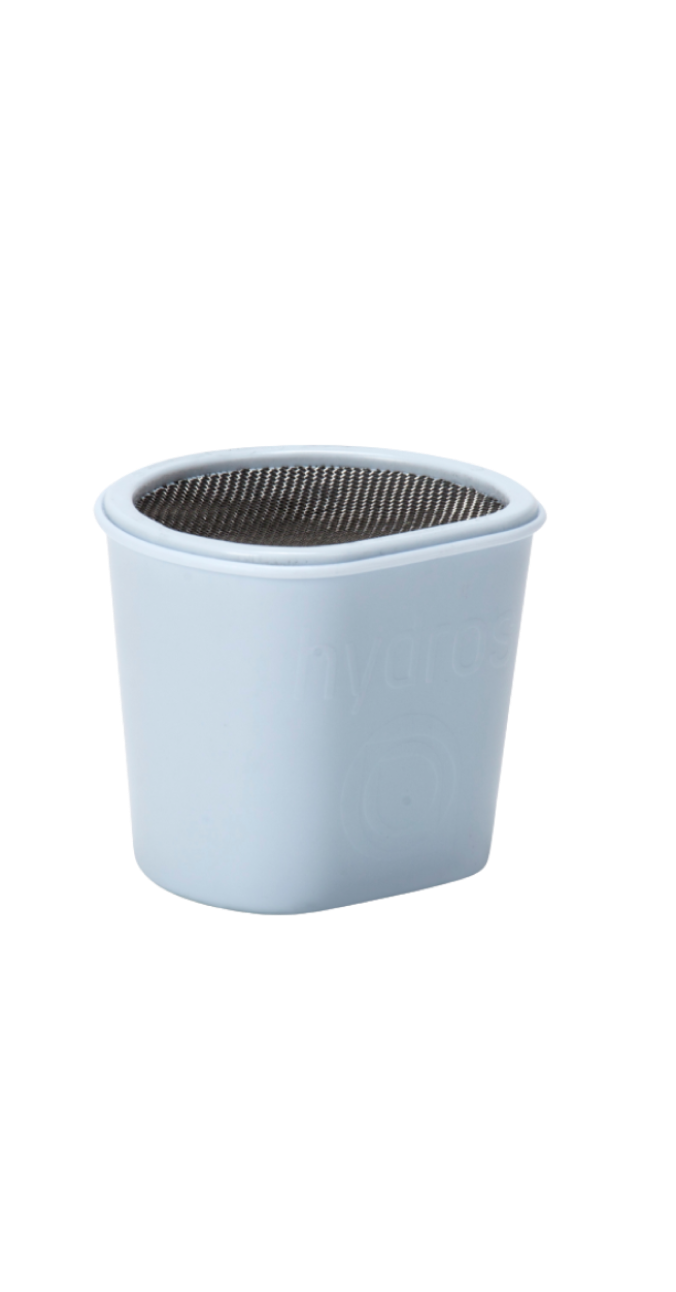
Behavior is where hydration succeeds or fails. When water tastes good, people drink more of it. When it tastes faintly of chlorine or metal, they reach for a soda or a coffee instead. A carbon-based drinking-water filter takes chlorine, taste, and odor down to the point where water becomes a default rather than a chore. The vessel matters too: cold, visible, and refillable beats warm, hidden, and disposable every time.
For a household, a 64 oz glass pitcher in the fridge covers meals and shared drinking. For anyone on the move, a filter bottle handles the rest.
A simple hydration routine that runs itself
- Wake up: a full glass of filtered water before coffee.
- Work block: a filled bottle in your line of sight, refilled once mid-morning.
- Meals: a glass with each meal, and another 10 minutes before if you tend to overeat.
- Workout: pre, during, and post as above.
- Evening: a modest glass with dinner, and a small one an hour before bed if you tolerate it without waking up.
None of this requires apps, alarms, or willpower. It requires cold, good-tasting water within reach.
How it compounds
Hydration is one of those inputs where nothing dramatic happens on any given day and a lot happens over months. Better focus in the afternoons. Skin that photographs better. A digestion that runs on schedule. Joints that don't complain as loudly. Workouts that recover faster. A snack habit that gradually shrinks. None of it looks like a breakthrough. All of it adds up.
Ready to make water the easy choice? Browse the core Hydros lineup and pick the format that fits where you drink water day to day.